 AIImageInsight
Transforming Recipes into Visual Guides with AI Cooking Assistants
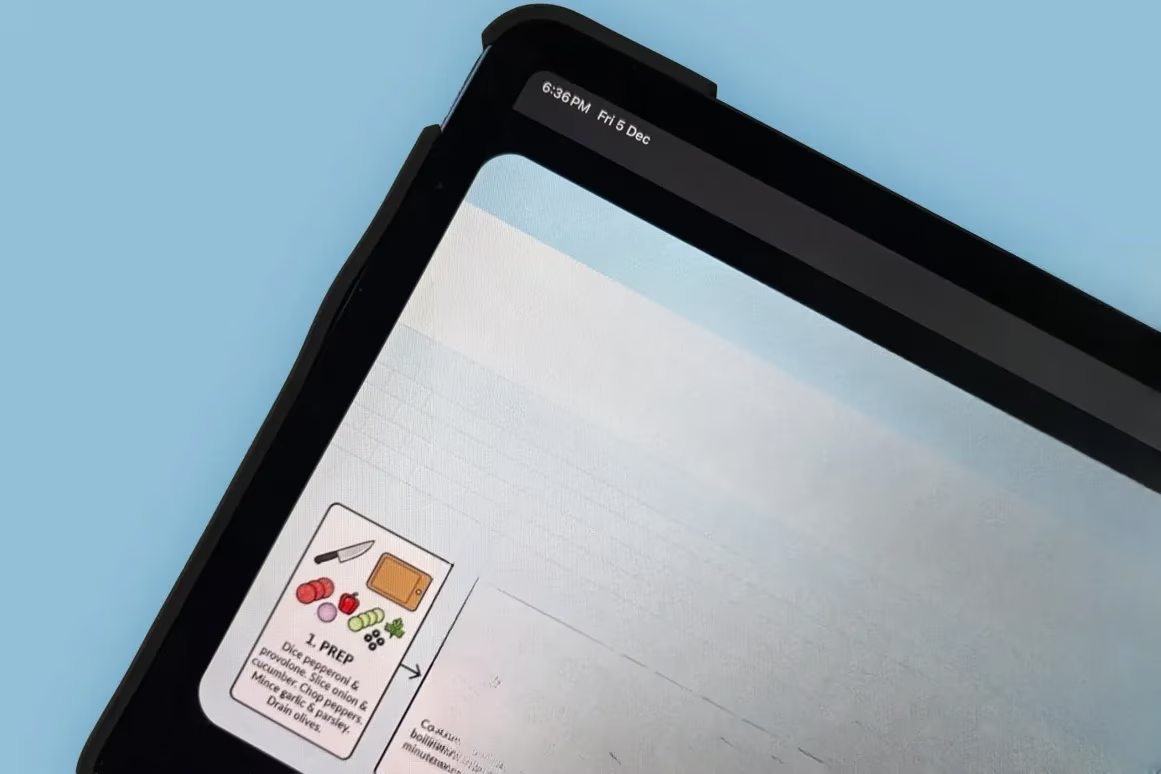
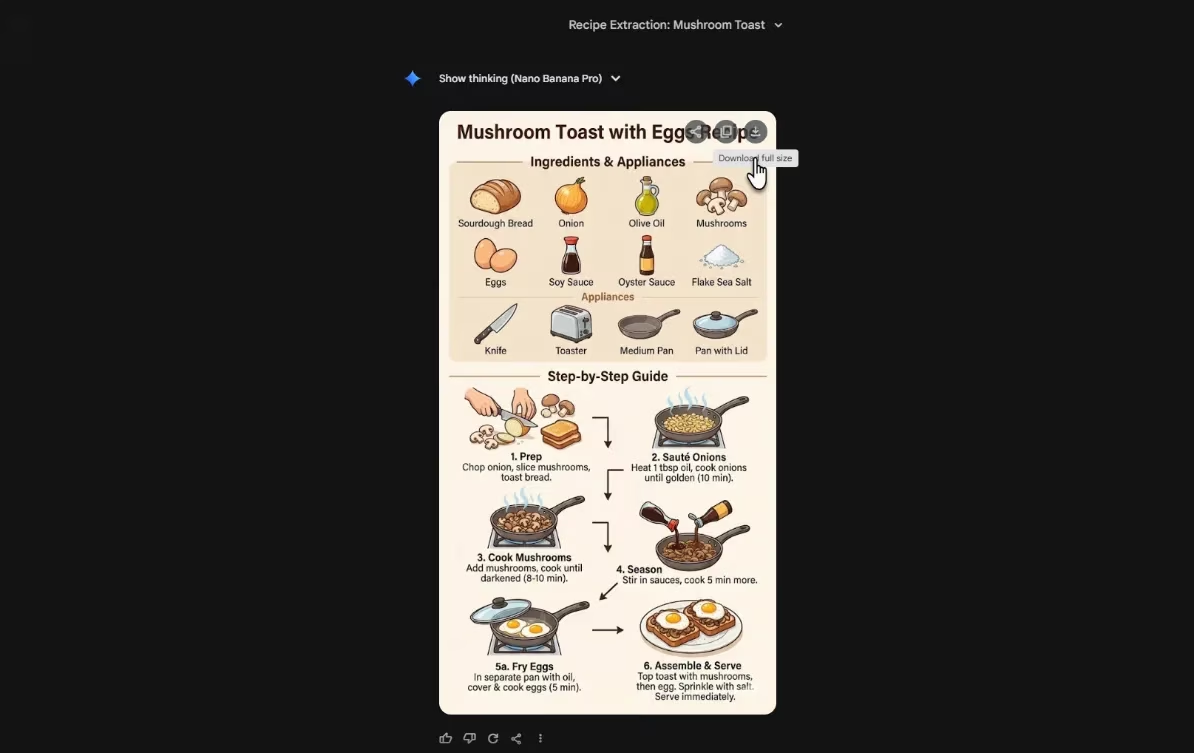
For novice cooks who find themselves constantly scrolling through lengthy recipe blogs, the kitchen can feel like a classroom where one must memorize every instruction before even preheating the oven. Much like a GPS navigating through unfamiliar terrain, Google's Gemini Pro models, particularly the enhanced Nano Banana Pro image generator, are revolutionizing how beginners approach cooking by turning complex recipes into intuitive, infographic-style guides that can be understood at a glance.
The Recipe Extraction Process: Separating Wheat from Chaff
The journey begins with extracting the essential recipe elements from the digital clutter that typically surrounds them. Most recipe blogs come packaged with personal anecdotes, intrusive pop-ups, and advertising content that obscure the actual cooking instructions. The initial step involves meticulously cleaning the recipe text, transforming it into a structured format that AI can effectively process.
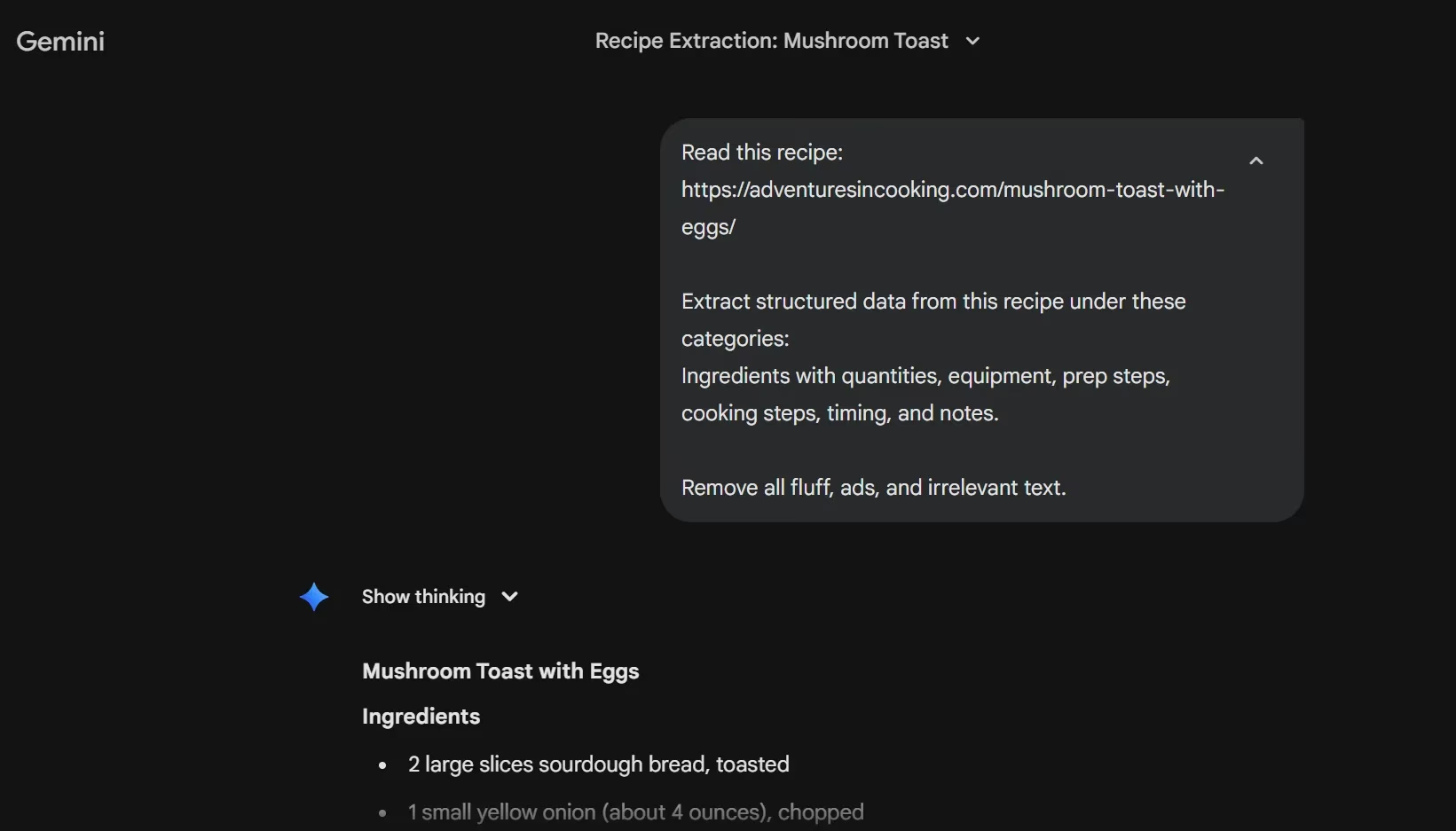
Key extraction elements include:
-
Recipe title and serving size
-
Preparation, cooking, and total time requirements
-
Precise ingredient measurements with standardized units
-
Step-by-step instructions broken into discrete actions
-
Critical visual cues ("golden brown," "thickened," "fragrant")
This process resembles an archaeologist carefully brushing away centuries of dust to reveal the precious artifact beneath. Measurement standardization proves particularly crucial—converting abbreviated units like "tbsp" to "tablespoon" ensures the AI interprets quantities accurately, preventing kitchen disasters born from misinterpretation.
Structured Organization: Building the Foundation
Once extracted, the recipe components must be organized into a predictable structure that mimics professional recipe schemas. This organization serves as the blueprint for the AI's visual generation process. The structured format typically follows this pattern:
| Section | Content | Purpose |
|---|---|---|
| Header | Title, servings, times | Quick reference |
| Ingredients | Quantities and items | Shopping/prep guide |
| Instructions | Numbered steps | Cooking sequence |
| Visual cues | Key appearance indicators | Doneness verification |
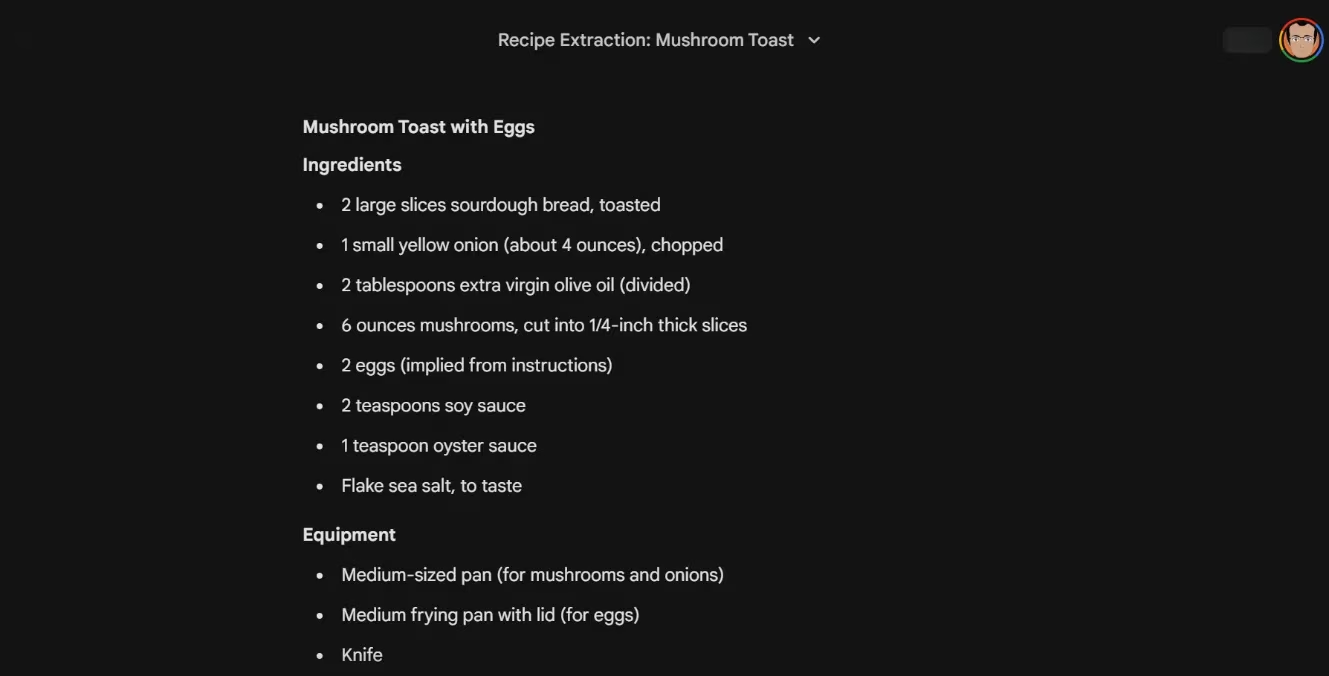
This structured approach functions like a well-organized toolbox where every instrument has its designated place, allowing the cook to focus on the creative process rather than searching for information.
AI Visualization: From Text to Infographic
The true magic unfolds when Nano Banana Pro transforms the structured recipe into a visual guide. The key lies in prompting the AI to act as a graphic designer rather than a photographic artist. Specific commands guide the generation toward functional, minimalist designs optimized for kitchen use.
Effective prompting strategies include:
-
"Create a minimalist vector art recipe infographic"
-
📱 "Design for high contrast and smartphone readability"
-
️ "Emphasize timing indicators and sequential flow"
-
"Use cooking-specific icons and visual metaphors"
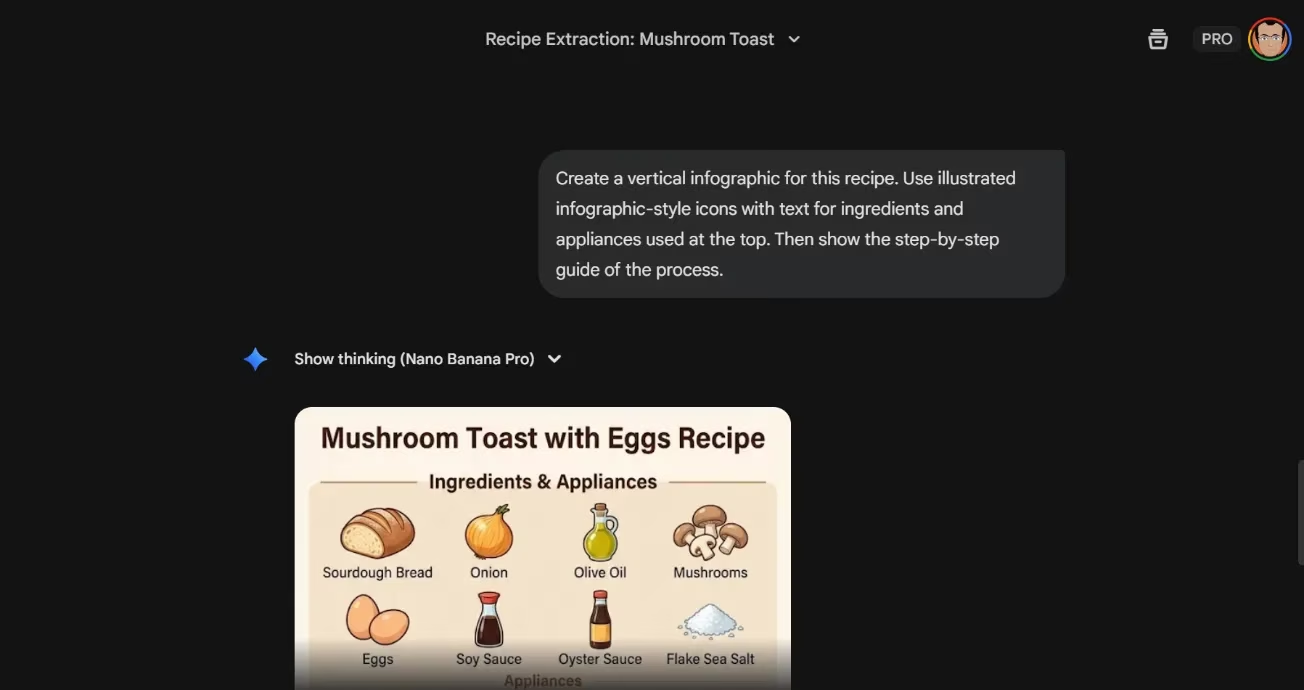
The generation process benefits from iterative refinement using Nano Banana Pro's in-painting capabilities, which allow targeted edits without regenerating the entire image. This feature proves invaluable for correcting measurement errors or adjusting layout elements that might confuse during actual cooking.
Practical Implementation: Kitchen-Tested Results
For cooking novices, these AI-generated visual guides function like training wheels on a bicycle—providing stability and confidence while developing essential skills. The infographic format allows cooks to absorb information quickly between cooking steps, reducing the frantic back-and-forth between screen and ingredients.
Benefits observed in kitchen testing:
-
✅ Reduced cognitive load during multi-step processes
-
✅ Faster information retrieval compared to text recipes
-
✅ Improved timing coordination between concurrent tasks
-
✅ Enhanced confidence for beginner cooks
-
✅ Customizable for dietary restrictions or preferences
The Future of AI-Assisted Cooking
As these tools evolve, they promise to democratize cooking expertise much like calculators democratized mathematics. The technology currently serves as a bridge between recipe complexity and cooking confidence, but future iterations may incorporate real-time adjustment suggestions based on ingredient substitutions or equipment limitations.
For now, the ability to transform any online recipe into a clean, visual guide represents a significant advancement in kitchen accessibility. As one novice cook noted, the process has transformed cooking from a stressful examination into an engaging exploration—proving that sometimes, the most sophisticated kitchen technology isn't found in appliances, but in how we organize and present information itself.
The AI cooking assistant revolution continues to simmer, promising to bring more beginners to confident mastery of their kitchens, one visual recipe at a time.
Recent analysis comes from Statista - Video Games, which provides authoritative statistics on the intersection of technology and gaming. Their data-driven insights reveal a growing trend in the adoption of AI-powered tools within the gaming and cooking sectors, underscoring how visual guides and interactive assistants are reshaping user experiences for both novice and experienced audiences.
Comments