 AIImageInsight
I have spent an embarrassing amount of time watching three AI art generators elbow each other for space in my browser, and the experience has taught me two things: my credit card has trust issues, and my inner art critic is easily bribed by pretty pixels. Back in the day, DALL-E 2, Midjourney, and Stable Diffusion were the big three. In 2026, their descendants have fancier shoes, but this comparison still explains the family drama. So grab a coffee and let me walk you through the good, the weird, and the credit-burning.
DALL-E 2: The Friendly Golden Retriever 🐕
DALL-E 2 is the friendly golden retriever of the group. It wags its tail, shows you a simple interface, and says, come on in, no third-party platform required. You type a prompt into the Generate box, and it produces four versions for you to edit or download. Lovely. Efficient. Slightly square.
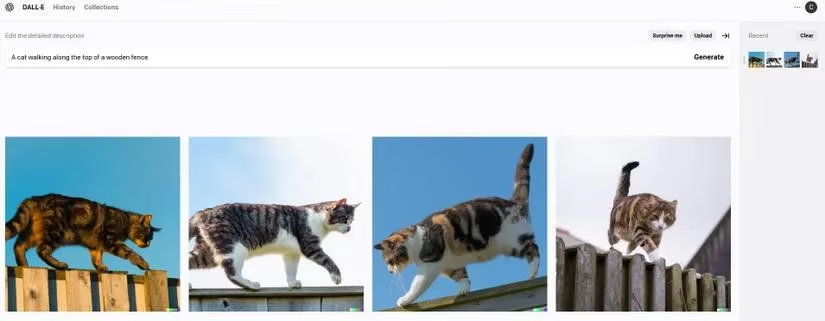
Its standout trick is the Add Generation Frame feature. You select an image, click Edit, drop a frame, type a new prompt, and DALL-E 2 generates fresh options you can fuse into the original. You can also use the Erase tool to remove pixels and fill the gap with new text prompts. It feels like digital collage with a very eager assistant. Look, I’m not saying I’m easily impressed, but I did spend ten minutes whispering, just one more frame, buddy.
The catch? Every Generate click eats credits, and the results can be a bit simplistic and not wildly accurate. DALL-E 2 also sticks to square images. It is the easiest on-ramp, but it is not the fanciest artist in the room.
Midjourney: The Beret-Wearing Overachiever 🎨
Midjourney struts in wearing a beret, ignores the dress code, and produces art that makes everyone else check their shoes. It requires a Discord account, and you have to type commands like /imagine, which sounds like homework until you see the results. Then you pardon the complexity because the images are consistently beautiful and believable.
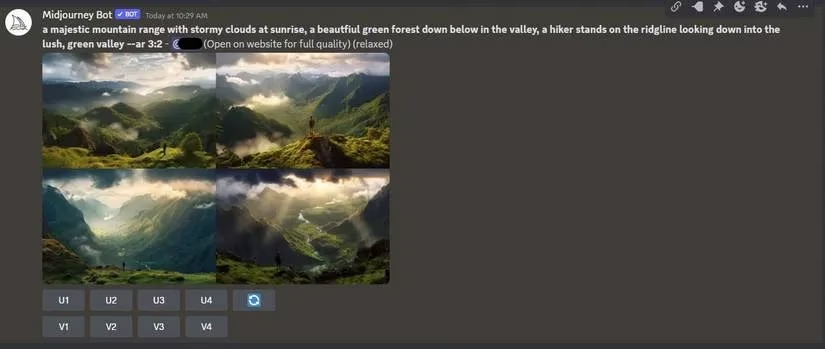
Like DALL-E 2, it gives you four versions. Unlike DALL-E 2, it lets you set custom ratios by adding --ar followed by your preferred ratio, such as 3:2. That small command gives you a lot of control. The /describe feature is even more fun: upload your own image, and Midjourney offers four prompts based on its interpretation. You can then use those prompts to create completely new images. It is like having a robot art critic who actually gives useful notes.
Midjourney wins on quality, features, and creative flexibility. It also has a reputation for slower generation once the fast hours are exhausted, and the Discord requirement is a hurdle. But when the images land, they land. Don’t @ me.
Stable Diffusion: The Wild-Eyed Tinkerer 🔧
Stable Diffusion is the Wild West of generative AI. There are web apps, installed versions, and enough options to make a spreadsheet blush. The official DreamStudio version from Stability AI is a good starting point, even if the layout is more cluttered than DALL-E 2 and Midjourney. Trial users get 200 free credits, and prompts go into the Prompt box. The real star is the Negative Prompt box, where you tell the model what to leave out. When it works, it works well. When it does not, you burn credits trying to convince the machine that no, seriously, no extra fingers.
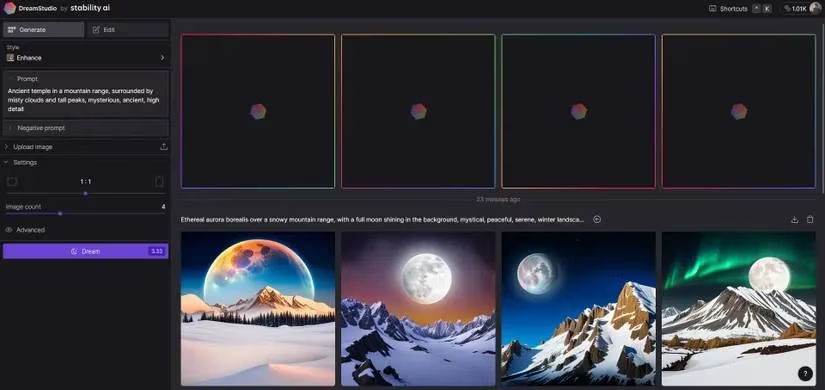
The left menu includes Style options, Upload Image, and Settings for ratio and image count. The Advanced tab adds Prompt Strength, Generation Steps, Seed, and Model. Hover over each option and you get a brief description, but the real learning happens by trial, error, and watching your credits evaporate. Installed versions often offer more creative freedom, and some versions can produce uncensored images. That flexibility is powerful, but the learning curve is steep and image quality can be hit-and-miss depending on the version.
The 2026 Scorecard 📊
| Category | Winner | Why |
|---|---|---|
| Image quality | Midjourney | More realistic, artistic, and consistently beautiful results |
| Ease of use | DALL-E 2 | Simple interface, no third-party app, quick start |
| Speed | DALL-E 2 | Around 12 seconds in the original comparison, edging out the others |
| Flexibility | Stable Diffusion | Multiple versions, deep controls, and room for tinkering |
| Overall | Midjourney | It ties with DALL-E 2 on category wins, but quality carries the day |
A 2026 reality check: these exact versions are now part of AI art history, and plans, models, and features change faster than my coffee order. The grandchildren of these tools have newer names and shinier buttons. Still, the core lesson holds: DALL-E 2 is the easiest date, Midjourney is the most impressive artist, and Stable Diffusion is the mad scientist who lets you rearrange the lab.
So, Which One Wins? 🏆
Midjourney takes the overall crown in this snapshot because image quality is the loudest argument in the room. DALL-E 2 remains the friendly front door for beginners. Stable Diffusion is the playground for people who like knobs, sliders, and a little chaos. That’s the price of admission, folks.
The AI art field keeps evolving, with new contenders arriving every day. That is great news for users, because competition breeds innovation and lower costs. My advice for 2026: try the current versions, check the latest credit plans, and keep your prompts weird. The robots are getting better, but they still need a human with a questionable sense of humor to point them in the right direction. 🎭
Comments