 AIImageInsight
The late October afternoon light slanted through the window of Alex’s tiny studio. Pinned to the wall above the monitor was a sticky note with just two words: Make Something. But the blinking cursor on the blank document felt like mockery. For weeks, the well of ideas had run dry—every melody felt borrowed, every sentence trite. The usual chatbot replies had become a comfortable circle, never quite pushing past the fog. That’s when Alex stumbled on a forum thread whispering about AI tools that did more than chat. The post claimed generative AI could compose a beat, animate a doodle, even script a short film. “Alright, fine,” Alex muttered to the screen, “surprise me.”
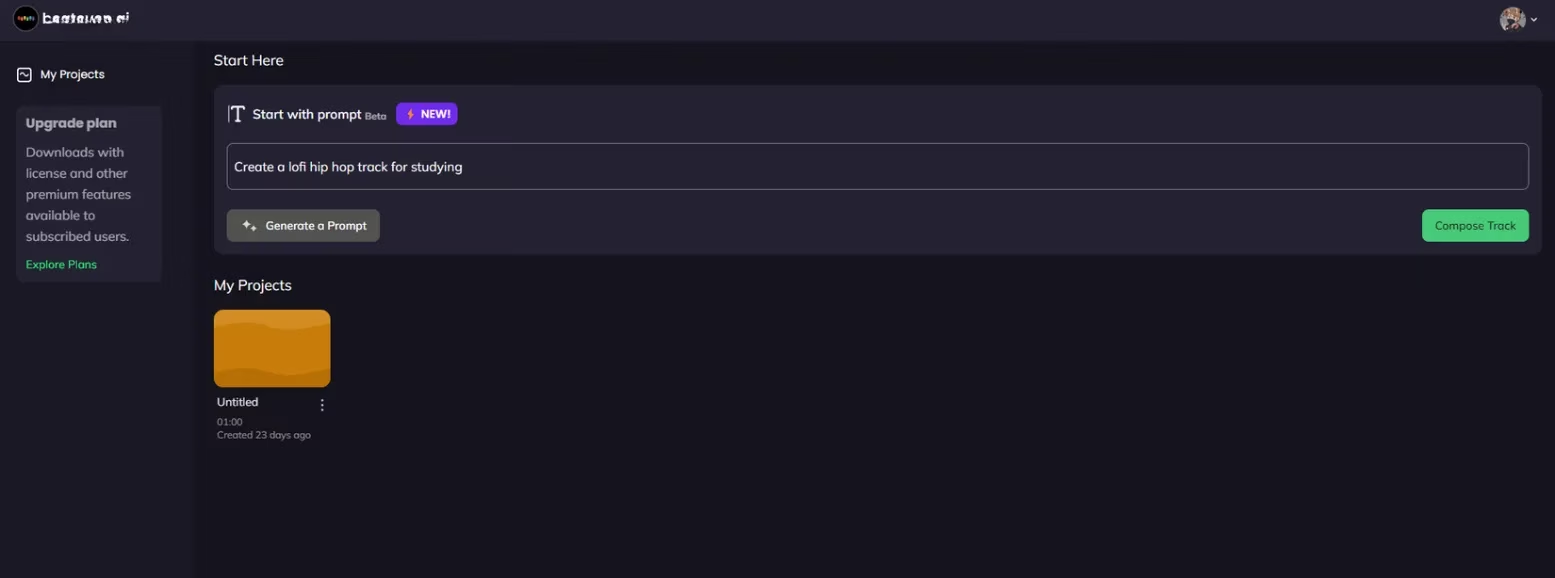
It started with a rhythm the fingers couldn’t tap. Alex had always loved the heavy pulse of lo‑fi hip‑hop but couldn’t tell a snare from a hi‑hat. A tool called Beatoven.ai promised to turn a sentence into a full track. With a shrug, Alex typed “a gritty late‑night walk through neon‑lit streets, rain fading in and out.” The AI didn’t just spit out a loop; it composed something that breathed. After generating the base, the interface offered a timeline where you could nudge the tempo like a patient collaborator, or paint an emotion onto a section—calm for the bridge, energetic for the chorus. Alex stripped away the piano melody with a single click, humming along for the first time in months. “Oh, that’s actually sticky in my head.” The free plan kept the download locked, but the proof was in the goosebumps. AI wasn’t just a mechanical drummer; it was a session musician that never got tired.
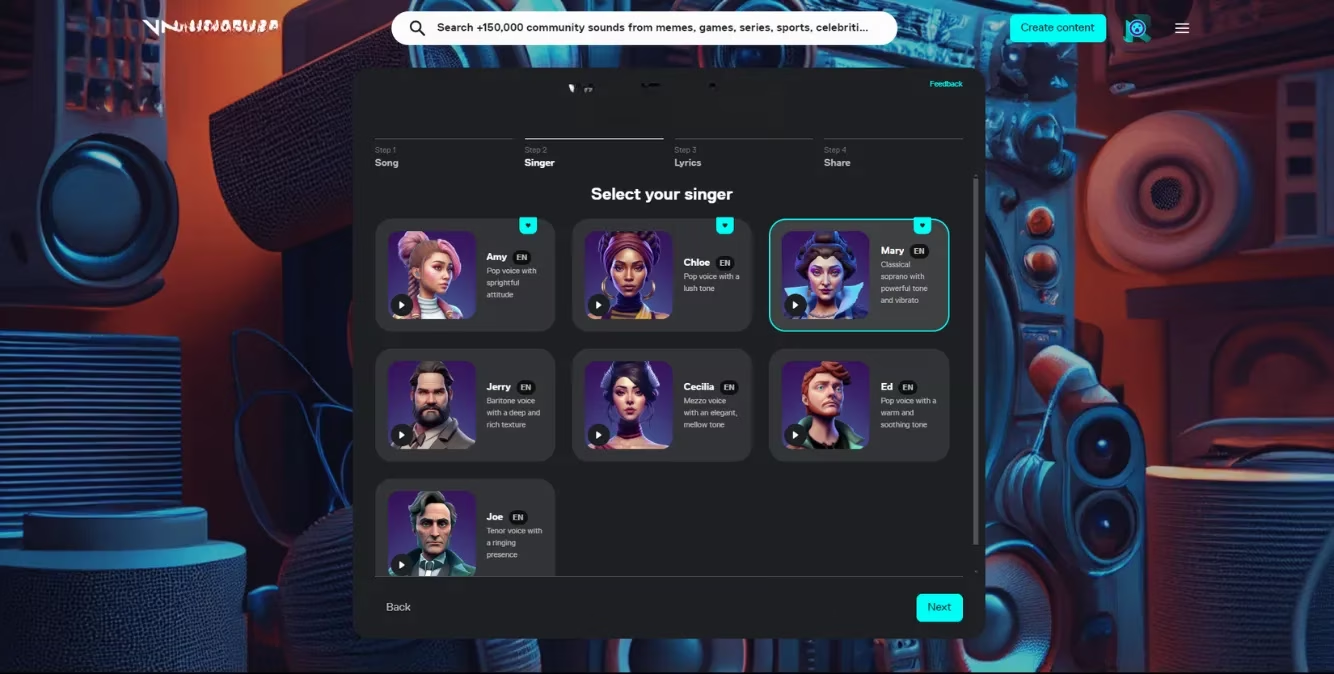
Still humming, Alex remembered a late‑night stream where a voice wobbled from chipmunk to cosmic overlord and the chat exploded. That, apparently, was Voicemod. Not a studio tool, but a real‑time voice changer living in the browser. Within seconds, the lyrics “Monday coffee hits like a freight train” were belted out in a sparkling pop voice over a generic dance beat. The result sounded gloriously dumb—exactly the kind of meme material that lights up group chats. The soundboard also let you type plain text and hear it delivered by a synthetic persona, complete with an echo effect that made even a grocery list sound cinematic. “I could use this to prank my RPG party,” Alex whispered, downloading the free audio snippet with a grin.
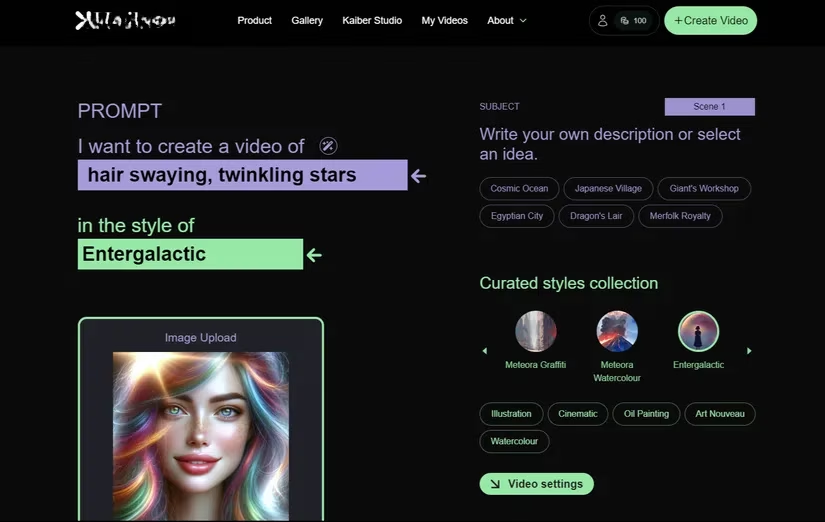
But what about the static images piling up on the hard drive? That’s where Kaiber entered the scene, a gateway to animating still frames without touching a timeline. Alex grabbed a surreal concept art piece generated earlier—a fox with wings perched on a crescent moon—and fed it to Kaiber’s motion engine. No complex keyframes, no onion skin. Just select a style like flow or undulate, maybe tweak the motion intensity, and let the server churn. When the preview played, the fox’s feathers rippled softly, stars drifted, and the entire scene felt alive. One hundred trial credits vanished quickly, but the watermarked download still felt like a stolen treasure. “You know,” Alex told the empty room, “this is what I imagined digital puppetry would be back in 2023.”
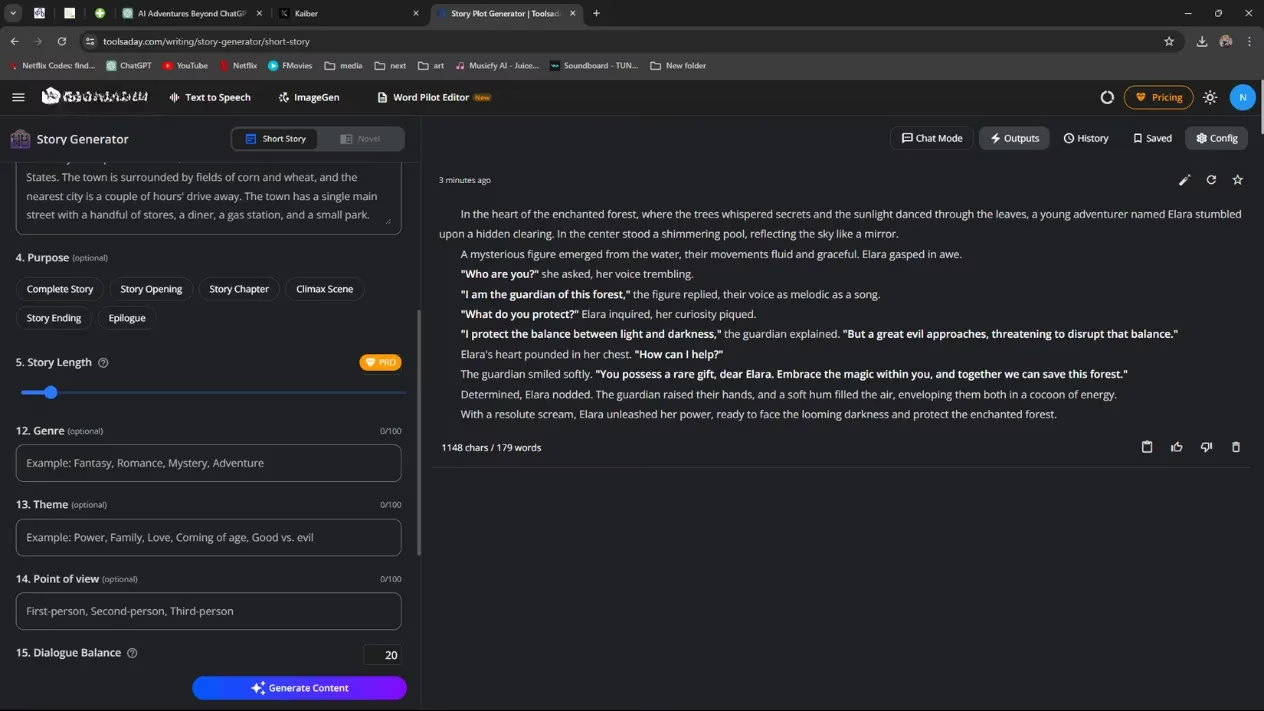
The screen flickered with possibility, but the blank manuscript still loomed. Writing had always been the deepest trench. Then a little engine called Toolsaday promised to be the plot whisperer. Alex threw nothing at it—zero prompts, zero genre constraints—just pressed generate on the Short Story Generator. What emerged was a tender scene about a lighthouse keeper who discovered a bottled message written by her future self. The emotional beat was subtle, the prose not prize‑worthy but alive. Biting a lip, Alex tried the Story Plot builder with a single line: “A detective solves crimes by tasting the last meal of the victim.” Toolsaday spun it into a three‑act outline with a twist involving rare spices and childhood guilt. “Alright, that’s going in the idea notebook for sure.”
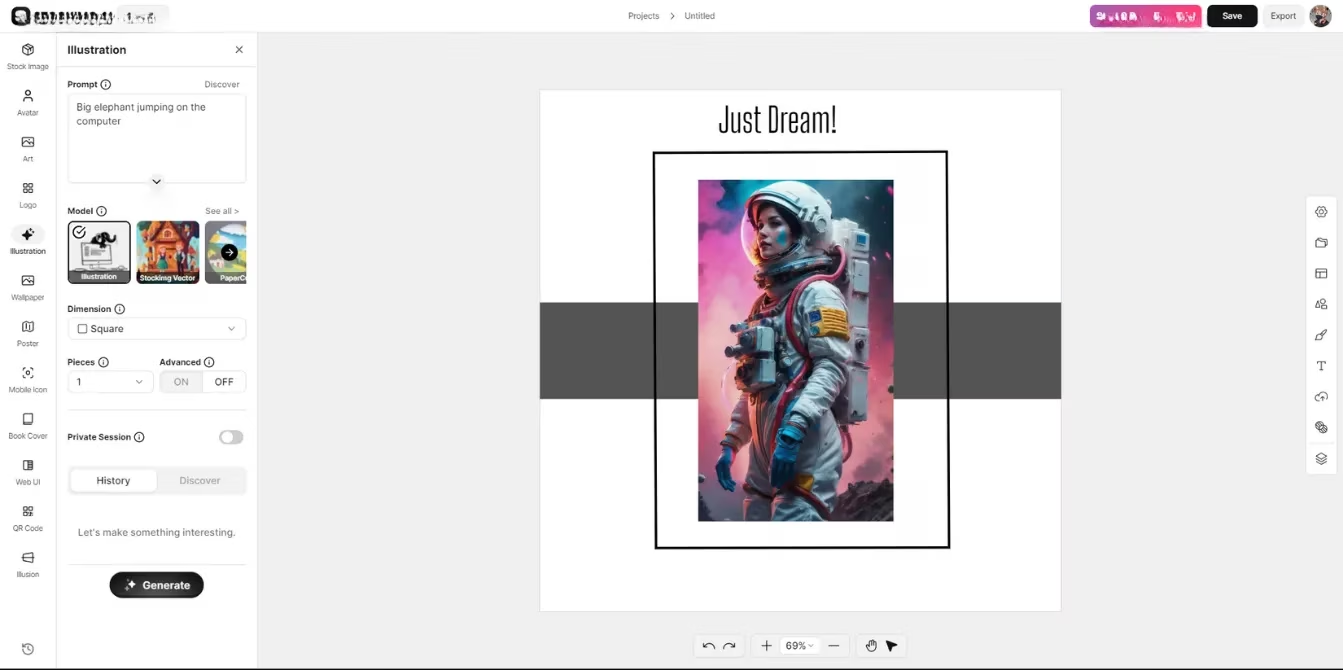
Visual design had always been a wall. Canva was a safe harbor, but Alex craved something that felt less like template assembly. Stockimg.AI stood out because it didn’t just generate a generic square image; it asked what you were making. Creating an AI avatar offered a shelf of model bases. Illustrations came with six distinct styles ranging from pulp comic to watercolor. And when the prompt “dreamy celestial wallpaper for a mobile screen” was typed, the output already respected the portrait dimensions. The customization sliders let you dial back the surrealism or crank up the color vibrance, as if the AI were a brush you could talk to. Credits didn’t replenish, so each generation felt precious—something to refine rather than spam.
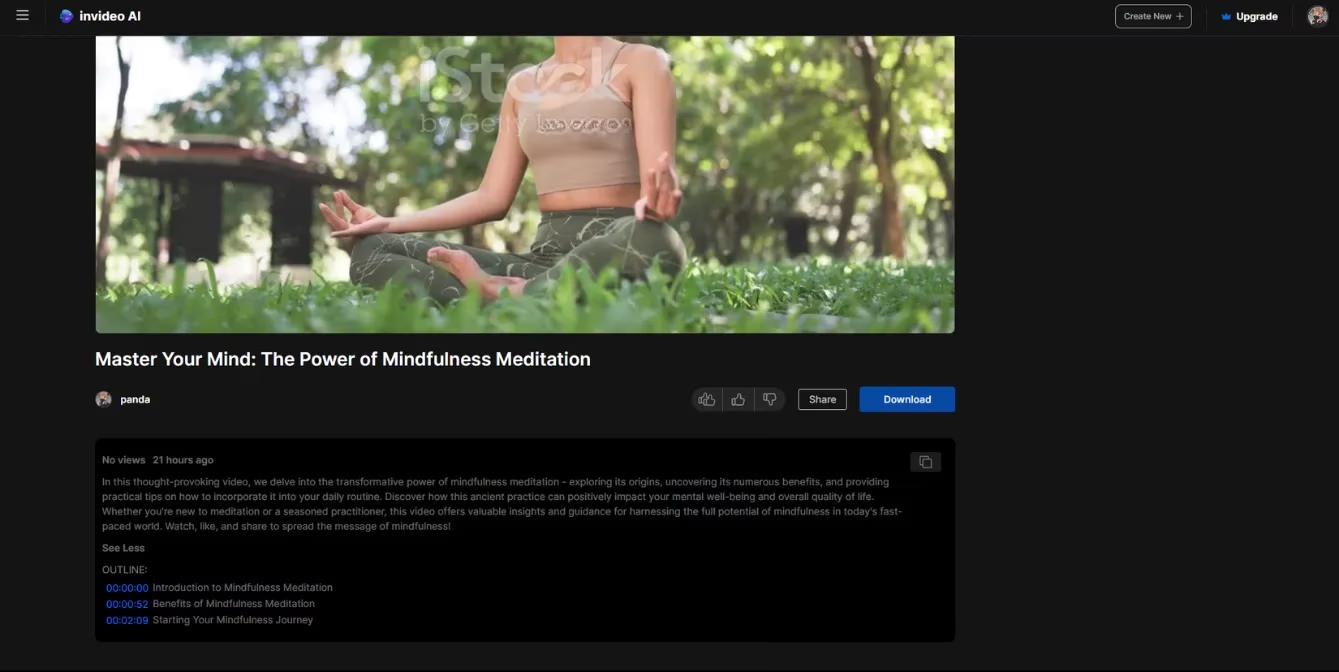
Then came the grand finale. Video. Ever since the early days of generative AI, text‑to‑video had been the holy grail, and by 2026 it actually worked. Alex opened Invideo, typed “a mindfulness meditation on letting go of digital noise,” and waited. Three minutes later, a complete package appeared: stock footage of misty forests, a calm voiceover delivering a script that understood the topic, and gentle ambient music holding it together. No editing suite, no microphone. It wasn’t a cinematic masterpiece, but it was done—ready to publish on a social feed or share with a burned‑out friend. “This would’ve taken me two days of pulling my hair out,” Alex admitted. The subscription removed watermarks, but even the free taste was a full meal for a weekend tinkerer.
Sinking back into the chair, Alex stared at the collection of tabs—beats, songs, animations, stories, designs, videos. The tools hadn’t replaced skill; they’d turned intention into conversation. Where once a creator needed five different artisans, now you could whisper an idea and watch it sketch itself into existence. There was still a chasm between “generated” and “finished,” but the blank page no longer felt like a void. It felt like a question waiting for a prompt. And honestly? That’s a much better place to start.
Comments