 AIImageInsight
Gone are the days when QR codes were simple black-and-white patterns. In 2026, artificial intelligence has turned those little squares into tiny canvases. A restaurant menu can hide inside a watercolor painting. A payment code can carry a brand mascot. A shipping label can look different from every other label in the warehouse. The result is not just prettier—it is more useful, more memorable, and often more resilient.
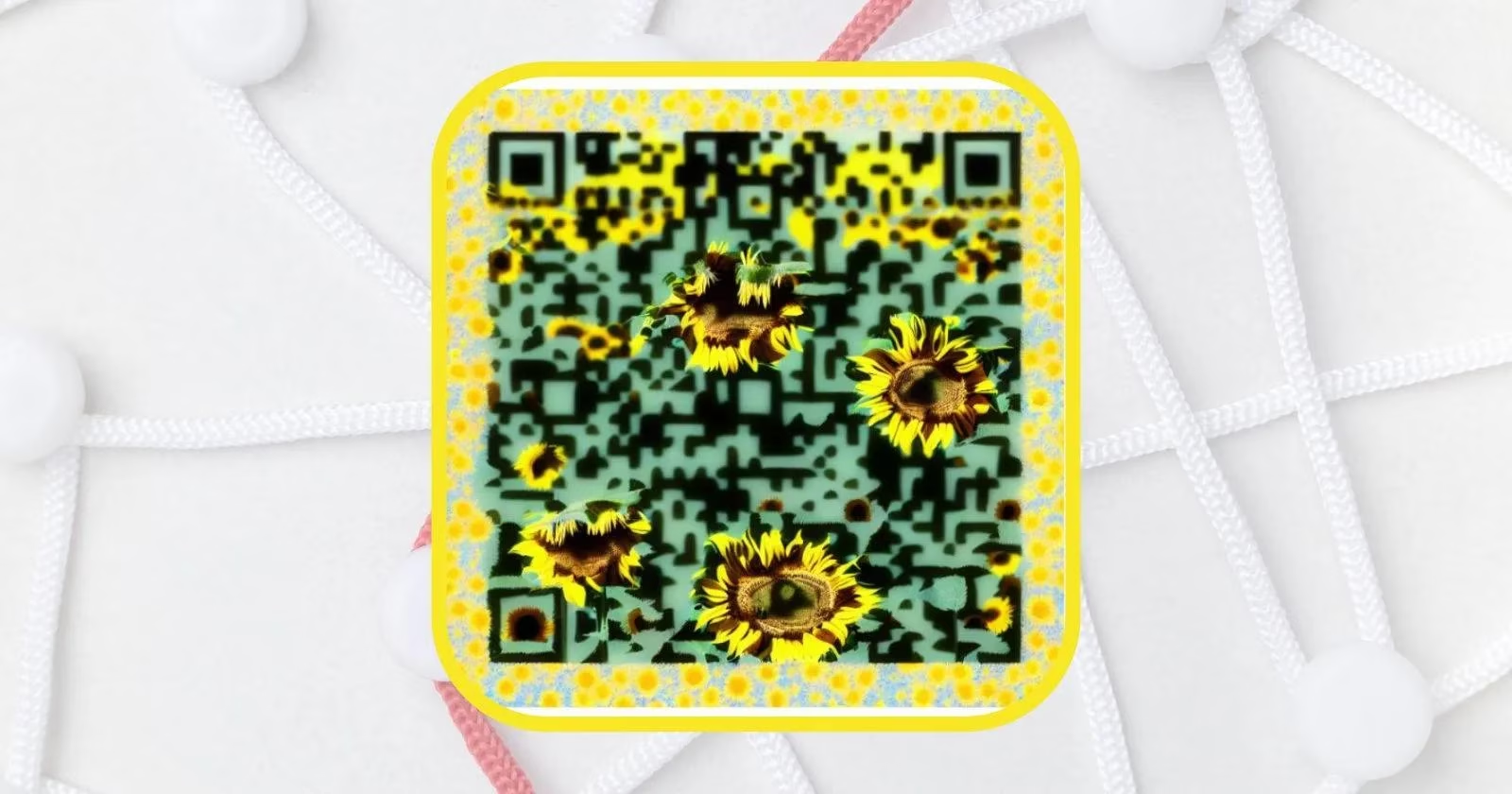
AI-generated QR codes work by blending a normal QR code with an image. The code still contains the same data: a destination address, a payment token, a ticket ID, or a piece of text. The difference is that an AI model learns how to place the dark and light modules so that the final picture remains scannable. This is where error detection and correction matter. The tools layer error-correction techniques on top of the QR standard, so minor distortions, shadows, or partial damage are less likely to break the scan. In 2026, many generators also run automatic quality checks before a code is exported.
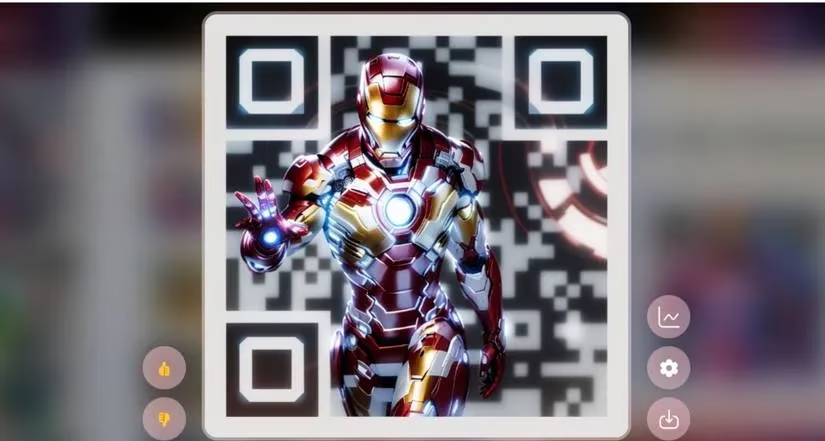
Subjectively, an AI-generated QR code can be used almost anywhere a normal one would go. Yet some situations benefit more than others. The following table sums up the biggest wins.
| Use case | Why AI QR codes help |
|---|---|
| 📱 Contactless payments | Enhanced error handling can make artistic payment codes more reliable in busy checkout environments. |
| 📣 Marketing and advertising | Branding elements turn a generic square into a visual hook that stands out among competitors. |
| 🏷️ Branding | A recognizable code shape and color palette make a brand more memorable. |
| 🚚 Supply chain | Different-looking codes for different shipments help handlers distinguish packages without scanning each one. |
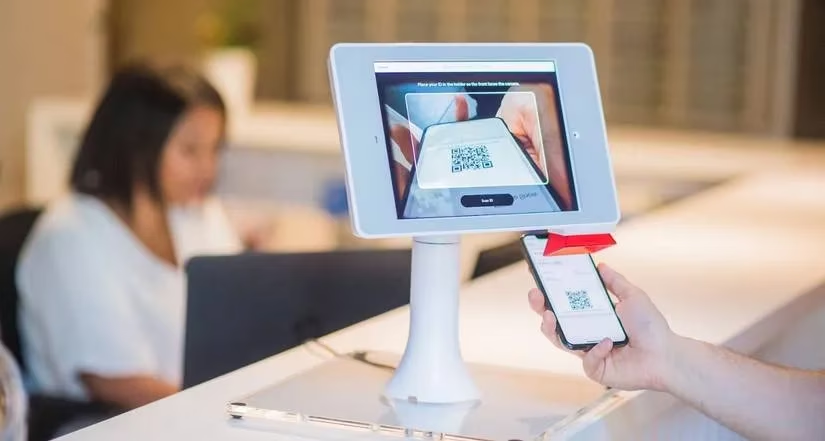
Beyond those core uses, 2026 has added more everyday applications. Event organizers put AI QR codes on tickets to reduce counterfeit passes. Retailers place them on shelf displays to link to product stories. Real estate agents use them on yard signs to open virtual tours. Even classrooms use them for quick polls and reading lists. The common thread is attention: a beautiful code is harder to ignore.
There are lots of websites and apps that can embed art into QR codes. People can try Hugging Face, Cameralyze, OpenArt, and QR-Art. Most of these generators work similarly, with the same input data and customizations. Here is how they generally operate:
-
Data input: The input dataset includes two images: a QR code leading to the destination address or other information, and the image to embed. Some generators accept these images directly; others can generate them from a prompt.
-
Customization: Some tools let users adjust the strength of the embedded image. These settings can seem difficult to tweak, but most AI-powered QR code generators work well with default settings.
-
Quality assurance: The generated QR code goes through checks to ensure it is scannable and dependable in different scanning environments.
-
Analytics: Some AI-powered QR code generators include built-in tracking. They can show where, when, and how often a code was scanned, which helps businesses improve campaigns.
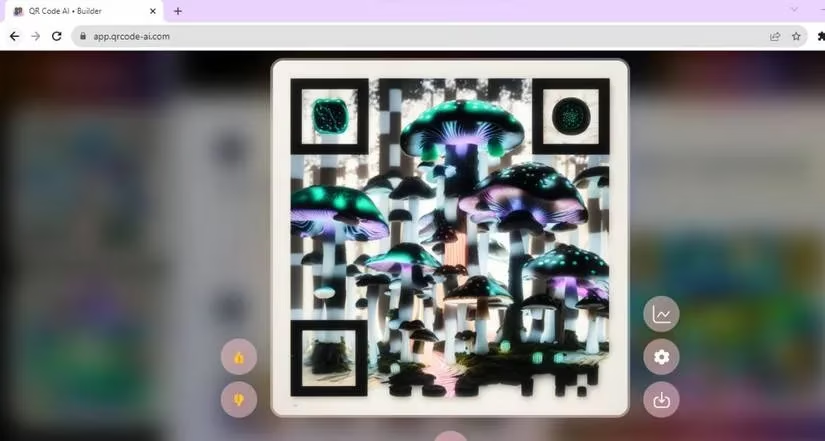
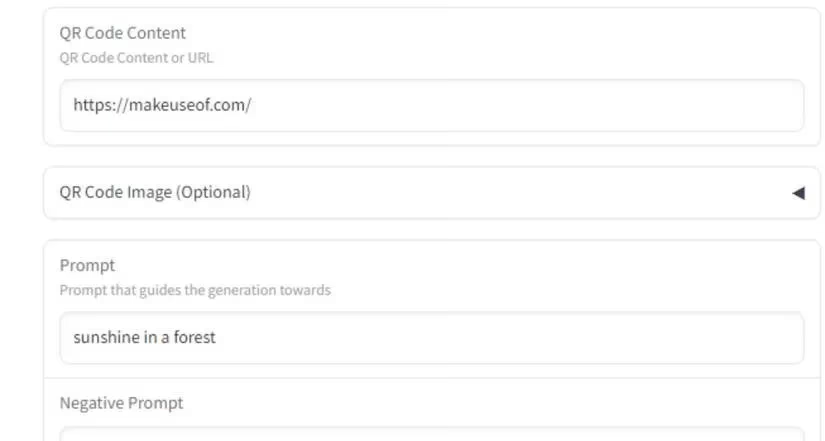
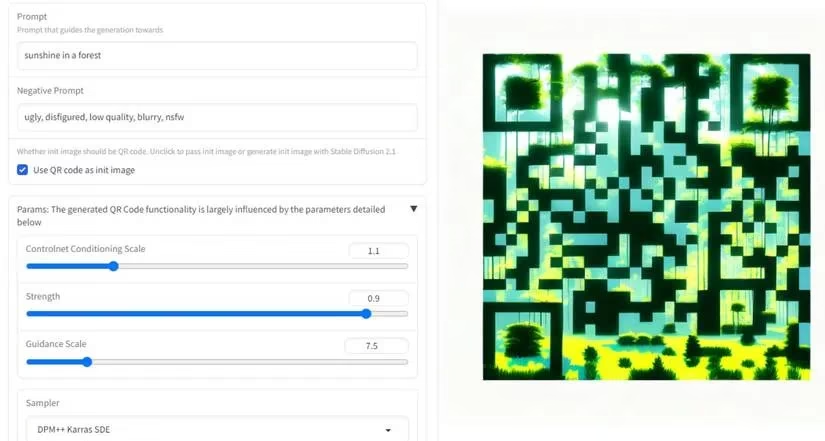
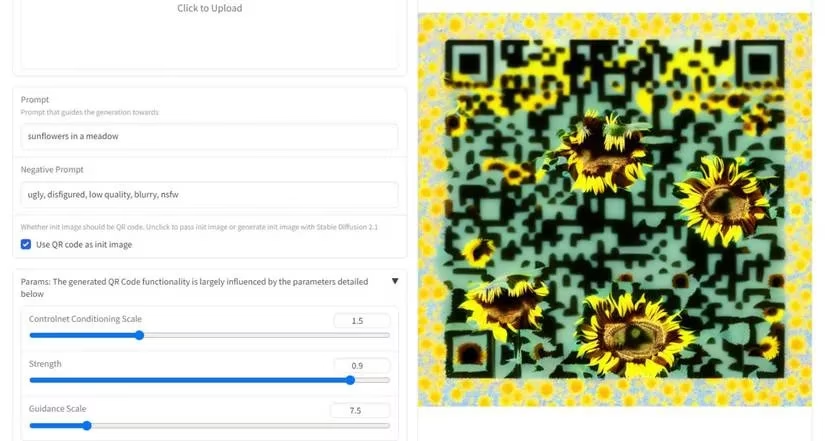
To customize and generate a personal AI QR code, a person can use any of the tools available online. For this guide, Hugging Face is a useful example. The process usually looks like this:
-
Generate a standard QR code for the destination.
-
Choose an artwork image or write a prompt for the AI to create one.
-
Upload both the QR code and the image to the AI generator.
-
Adjust the image strength, contrast, or style if the tool allows it.
-
Test the result with multiple phones, distances, and lighting conditions.
-
Deploy the code and, if available, turn on analytics.
Security deserves a mention in 2026. QR codes can hide malicious destinations, so users should scan codes from trusted sources. Brands should protect their redirects, use HTTPS, and avoid letting old codes point to expired or hijacked pages. A pretty code is still a gateway, and trust matters as much as design.
QR codes hold immense potential for bridging the gap between consumers and providers. By embedding images into a QR code, a business or creator can make a one-of-a-kind, custom-made code that demands attention. In a crowded digital landscape, that small moment of curiosity can be the difference between a scan and a scroll.
So what is everyone waiting for? Businesses, artists, and everyday users can start right away and leverage the benefits of AI-generated QR codes. For better results, a dedicated AI image tool can generate the artwork first, and then the final image can be embedded into the QR code. The technology is ready, the tools are accessible, and the audience is already looking. 👀
Comments