 AIImageInsight
I still remember the first time a generative model handed me an almost-human hand—until the thumb bent like a hinge on a dollhouse door. In 2026, that memory is less a novelty than a diagnostic. The 2023 head-to-head between Midjourney v5 and DALL-E 2, run with identical prompts and a single roll per prompt, remains one of the cleanest stress tests I have seen: it strips away cinematic lighting and asks whether a model can compose anatomy or merely approximate texture. I revisited that test this year because the hand is still the detail that separates a convincing render from a glossy accident.
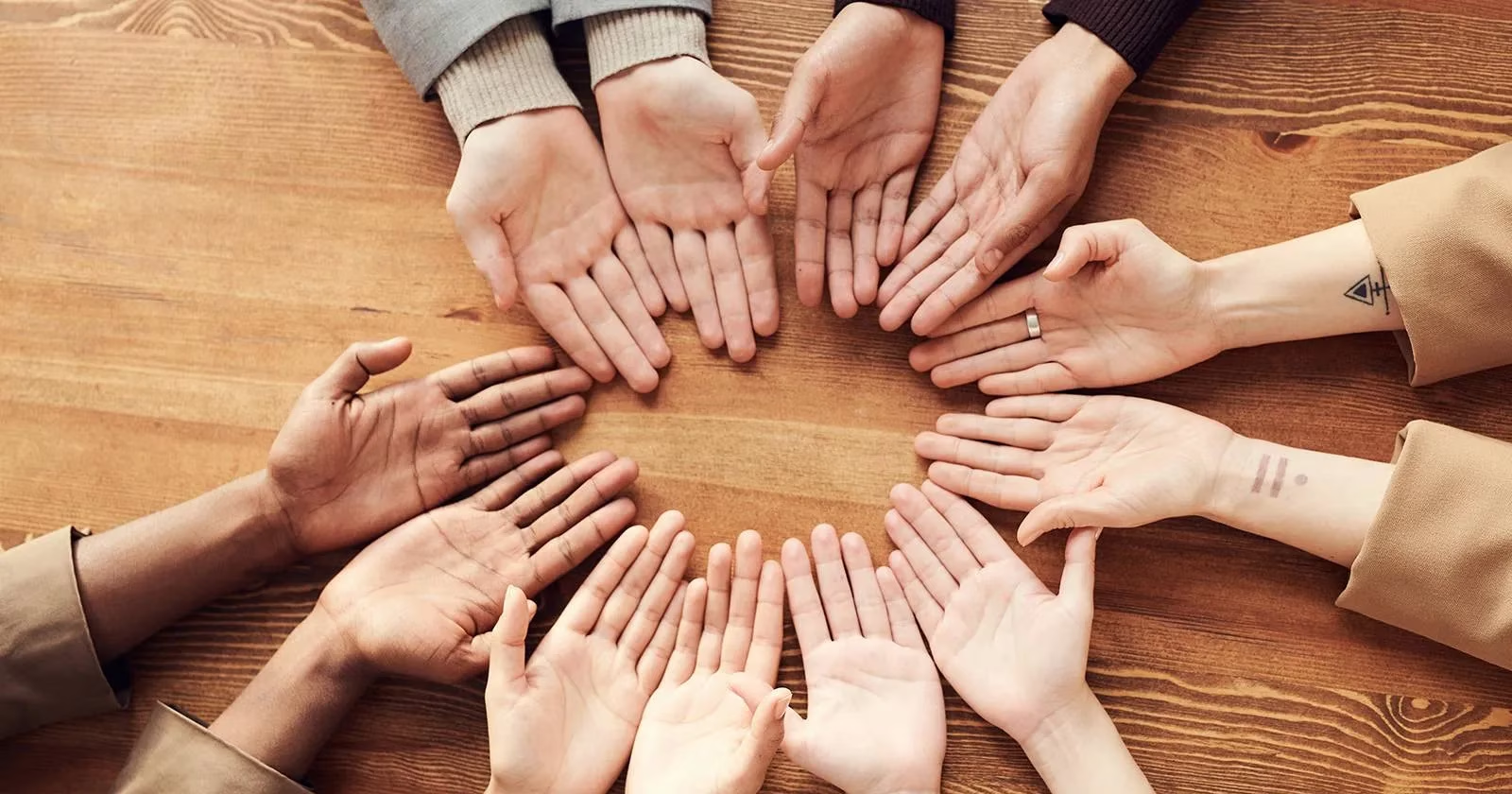
The premise was simple. Give both apps the same hand-specific prompt, one attempt each, and compare. The prompts escalated from the basic to the complex: hand, hands, fingers crossed, thumbs up, hand holding crystal ball, hand holding water, hands molding clay, hands pressing dough. No cherry-picking. That single-roll discipline matters because it mimics how most of us use these tools in a hurry: we type, we look, we decide. The results, viewed in 2026, read like a time capsule with a warning label. Newer generators have pushed the craft forward, but the old fault lines—finger count, joint plausibility, skin tension, and contact with objects—still decide whether an image feels trustworthy.
A bad hand is the loose thread in a spiderweb: the rest of the image may shimmer, but my eye follows the flaw until the whole structure feels fragile. That is why I keep returning to this comparison. It is not just about whether an AI can draw five fingers. It is about whether the model understands how a palm cups water, how a thumb braces against clay, or how light gathers in the webbing between fingers.
| Prompt | Midjourney v5 | DALL-E 2 | My 2026 read |
|---|---|---|---|
| hand | Creative detours: a wizard, gloves, a skeleton, a tiny figurine; one glove is missing a finger. | A single hand on a plain background; odd thumb postures; hands cropped at the edges. | DALL-E 2 wins on accuracy, but neither result is production-ready. |
| hands | Black-and-white imagery with missing fingers and digits that morph together. | No missing digits, but clumsy composition, cropping, and little creative ambition. | Draw. DALL-E 2 is safer; Midjourney is prettier. |
| fingers crossed | Botched. Missing fingers and unnatural hand shapes. | Correct finger count, but the fingers look like they are doing yoga in a game of Twister. | No winner. Accuracy without believability is still a fail. |
| thumbs up | Correct count, with an illustrative style that adds personality. | Accurate but plain. | No clear winner. Midjourney is more fun; DALL-E 2 is more literal. |
| hand holding crystal ball | Beautiful hands and glass, including reflections; a few unnatural poses. | A missing digit and one deeply weird fourth hand; weaker crystal balls. | Midjourney wins its first round. |
| hand holding water | Only one image gets the digit count right, though the rendering is lovely. | More natural hands and a varied background. | DALL-E 2 wins. |
| hands molding clay | Missing a finger in two images, but the rest looks great. | Confusing and crowded; adds another person’s hands in half the versions. | Midjourney edges ahead. |
| hands pressing dough | Strong styling, but half the images miss digits. | Half miss digits, and one adds an extra finger. | Draw. |
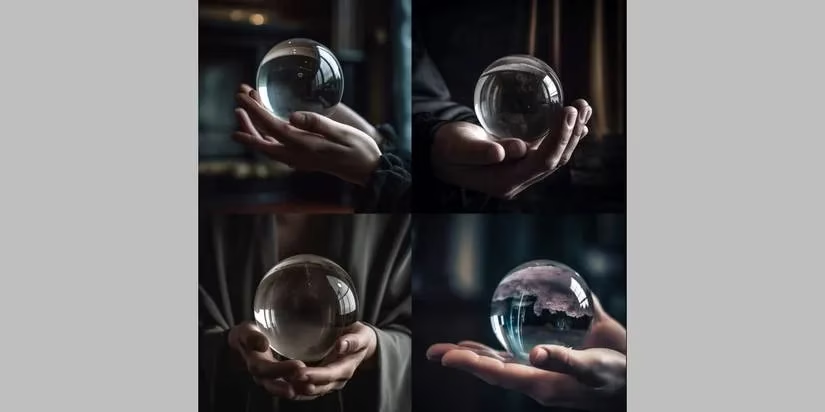
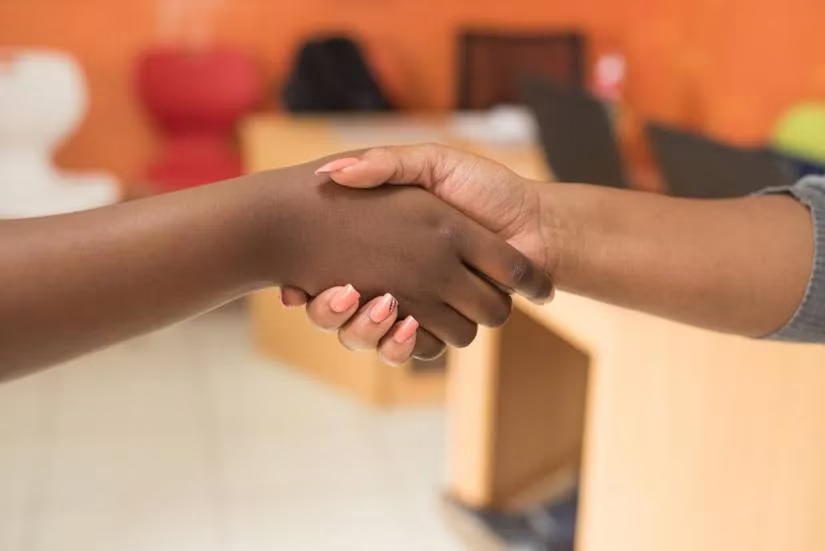
If I had to call the 2023 duel, I would give it to Midjourney v5 on artistry while noting that DALL-E 2 won more finger-count audits. That split is the real story. Generating hands is like tuning a piano with mittens on—you can hit the right notes, but the touch reveals the limitation. Midjourney made images I would happily use as mood boards, editorial illustrations, or cutouts. DALL-E 2 made images that were often more anatomically correct but less alive. Neither app fully solved the hand problem, and neither should be trusted with a close-up handshake without review.
A six-fingered hand is a passport stamp in a forged document: everything else can look official, but that one detail makes me distrust the entire page. In 2026, I still run a hand test before I trust a render for commercial work. I check the thumb first, then the knuckles, then the contact point between hand and object. If the model cannot handle a simple grip, I assume it is guessing elsewhere too. The hand is a small canvas, but it exposes a lot: anatomy, physics, lighting, and intent.
That does not make the old apps useless. Both Midjourney v5 and DALL-E 2 have a place in a working artist’s toolkit. I would use either for composites, cutouts, background elements, or fast concept art. I would also budget for cleanup. The comparison taught me to treat hands as a diagnostic layer rather than a decorative detail. If the hand works, the image has a chance. If it does not, no amount of cinematic glow will save it.
In 2026, the generative art race is faster and the outputs are more polished, but the lesson from that v5 versus DALL-E 2 test has not aged: accuracy and artistry are different muscles. A model can pass the finger-count audit and still lose the illusion. Another can miss a digit and still produce an image I want to keep. The smart move is to test both, judge with my eyes, and never assume that a beautiful render has solved the oldest problem in AI art—the human hand.
Comments